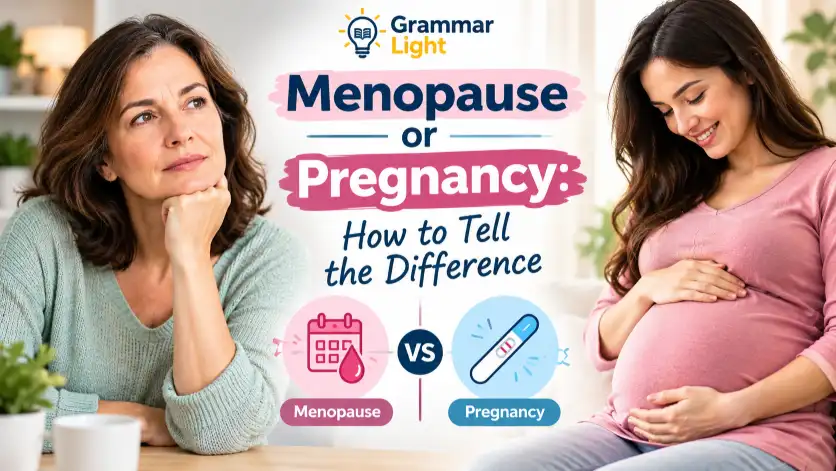
Menopause and pregnancy are two different conditions, but some of their symptoms can look similar. Pregnancy happens when fertilization leads to a developing pregnancy, while menopause is the stage when menstrual periods permanently stop. During perimenopause, periods can become irregular, which is why a missed or delayed period may sometimes be confused with pregnancy.
A missed period can be an early sign of pregnancy, but it can also happen during perimenopause. Other symptoms such as tiredness, mood changes, sleep problems, and breast changes may overlap as well.
The most reliable way to check for pregnancy when it is possible is a pregnancy test. Menopause is assessed differently, usually by looking at menstrual history, age, symptoms, and overall health.
Understanding Pregnancy and Menopause
Pregnancy begins when an egg is fertilized and develops inside the uterus. The body then produces hormonal changes that support the developing pregnancy.
Menopause is a natural stage of life when menstrual periods stop permanently. It usually happens between the ages of 45 and 55, although the timing can vary from person to person.
The period leading up to menopause is called perimenopause. During this stage, menstrual cycles can become unpredictable, and symptoms may appear before periods stop completely.
What Is Perimenopause?
Perimenopause is the transition toward menopause. It can last for several years and does not necessarily begin at the same age for everyone.
One of the earliest changes can be a difference in the usual menstrual pattern. A period may arrive earlier, later, become lighter, or become heavier than before.
Some people also experience hot flashes, night sweats, sleeping difficulties, mood changes, vaginal dryness, or problems with concentration.
These symptoms can vary significantly. Some people experience only mild changes, while others notice several symptoms at the same time.
What Are Common Early Pregnancy Signs?
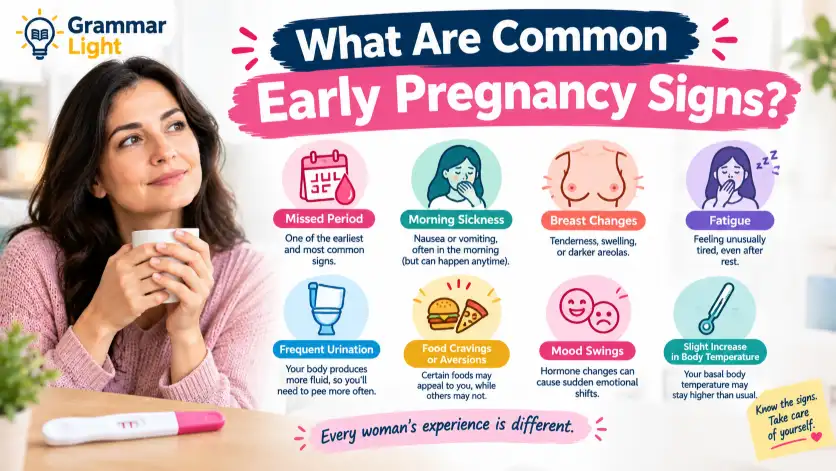
Pregnancy symptoms are not identical for everyone. Some people notice several changes, while others experience very few symptoms during the early weeks.
A missed period can be one of the earliest noticeable signs when someone normally has regular cycles. Other possible signs include nausea, vomiting, unusual tiredness, tender breasts, increased urination, constipation, changes in taste or smell, and changes in appetite.
Pregnancy symptoms often begin around four to six weeks of pregnancy, although the timing can differ.
Feeling tired or noticing breast tenderness does not automatically confirm pregnancy because some of these sensations can occur for other reasons.
What Symptoms Can Be Similar?
Some symptoms associated with pregnancy and perimenopause can overlap. This is one reason why symptoms alone may not provide a definite answer.
For example, tiredness can occur during early pregnancy. Sleep problems related to perimenopause can also leave someone feeling exhausted during the day.
Mood changes may appear during both situations. Hormonal changes can affect how a person feels, although the underlying reasons are different.
Changes in the menstrual cycle are another important area of overlap. Pregnancy can cause a missed period, while perimenopause can make periods irregular or cause them to stop temporarily.
Missed Period: Pregnancy or Perimenopause?
A missed period does not always have one single explanation.
If someone has recently had unprotected sex and their period is late, pregnancy should be considered. A home pregnancy test can provide a useful first step.
Pregnancy tests are generally most reliable from the first day of a missed period. If the expected period date is unknown, testing at least 21 days after the last unprotected sex can be useful.
On the other hand, someone approaching menopause may notice increasingly irregular cycles. Periods can become less frequent over months or years before eventually stopping.
This means age and menstrual history can provide useful context, but they cannot replace appropriate testing when pregnancy is possible.
How a Pregnancy Test Helps
A pregnancy test looks for human chorionic gonadotropin (hCG), a hormone produced during pregnancy.
Home tests are designed to detect this hormone in urine. Following the instructions carefully is important because testing too early can produce a negative result even when pregnancy is possible.
A positive home pregnancy test is generally considered reliable when the instructions have been followed correctly.
If the result is negative but pregnancy is still suspected and the period does not arrive, repeating the test after a few days or speaking with a healthcare professional may be appropriate.
Signs That May Point Toward Perimenopause
Certain symptoms are more commonly associated with the menopausal transition.
Hot flashes and night sweats are among the recognizable symptoms. A hot flash can create a sudden feeling of heat, sometimes followed by sweating or chills.
Changes in sleeping patterns can also occur. Some people have difficulty falling asleep, while others wake during the night.
Vaginal dryness, reduced sexual desire, headaches, joint or muscle discomfort, and changes in memory or concentration may also occur.
An important clue is a changing pattern of periods over time rather than one isolated late cycle.
Can Pregnancy Happen During Perimenopause?
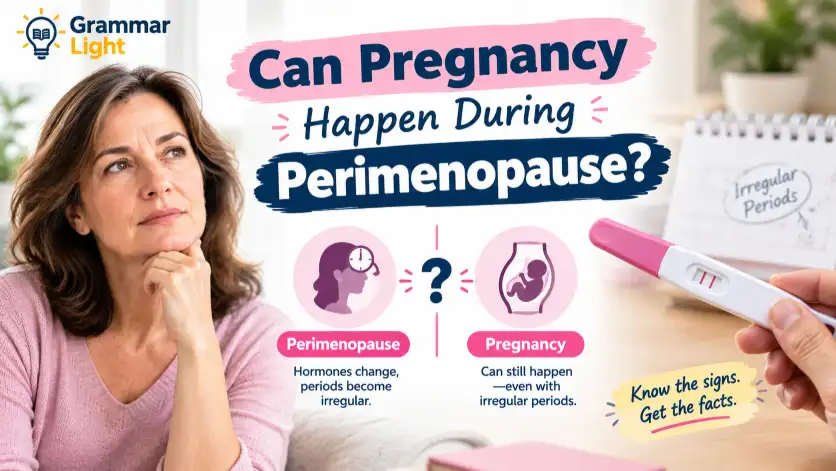
Yes. Pregnancy can still happen during perimenopause because ovulation may continue even when periods become irregular.
Irregular cycles do not necessarily mean that ovulation has stopped permanently. For this reason, someone who does not want to become pregnant may still need contraception during the menopausal transition.
Menopause itself is generally identified after a person has gone without a menstrual period for 12 consecutive months, when another cause has not been identified.
Therefore, simply having irregular periods does not automatically mean that fertility has ended.
Menopause and Pregnancy: Why Confusion Happens
The confusion often comes from symptoms that appear similar but have different causes.
A person experiencing perimenopause may have a late period, tiredness, sleep problems, mood changes, or breast related symptoms. Someone in early pregnancy may also notice tiredness, a missed period, and changes in mood.
The menstrual pattern can offer clues, but it is not enough to confirm pregnancy or menopause by itself.
When pregnancy is possible, a pregnancy test is a more direct way to check for pregnancy than trying to identify the cause from symptoms alone.
Key Difference to Remember
The biggest distinction is the underlying biological process.
Pregnancy involves fertilization and the development of a pregnancy. Menopause is the permanent end of menstrual periods after the reproductive transition.
Perimenopause comes before menopause and can produce irregular periods and other hormonal symptoms.
This distinction is important because perimenopause does not mean pregnancy is impossible. A person can still become pregnant during this transition.
When to Seek Medical Advice
A healthcare professional can help when symptoms are confusing, unusual, persistent, or concerning.
Medical advice is especially important if periods change significantly, if bleeding becomes unusually heavy, or if bleeding occurs after menopause.
Any vaginal bleeding after 12 months without a period should be checked by a healthcare professional.
If pregnancy is possible and there is severe abdominal or pelvic pain, unusual bleeding, dizziness, or other concerning symptoms, prompt medical assessment is important.
Quick Summary of Part 1
Pregnancy and menopause are different: pregnancy involves a developing pregnancy, while menopause marks the permanent end of menstrual periods. Perimenopause can make the distinction confusing because periods become irregular and some symptoms overlap.
A missed period does not automatically mean pregnancy or menopause.
When pregnancy is possible, a pregnancy test is an important first step. A changing menstrual pattern together with symptoms such as hot flashes and night sweats may occur during perimenopause.
Pregnancy Symptoms vs. Perimenopause Symptoms
Pregnancy and perimenopause can produce some similar physical and emotional changes. Looking at the overall pattern is more useful than focusing on one symptom.
Nausea is commonly associated with pregnancy, particularly during the early weeks. It is not usually considered a defining symptom of perimenopause.
Hot flashes and night sweats are more strongly associated with the menopausal transition. They can happen because changing hormone levels affect the body’s temperature regulation.
Breast tenderness can occur during pregnancy and may also appear with hormonal fluctuations around perimenopause.
Fatigue is another symptom that can occur in both situations. Poor sleep during perimenopause can contribute to daytime tiredness, while hormonal changes in early pregnancy can also cause significant fatigue.
Changes in the Menstrual Cycle
The menstrual cycle can provide useful clues when comparing these two situations.
During early pregnancy, a normally expected period may not arrive. Some people can experience light bleeding or spotting, which should not automatically be interpreted as a normal menstrual period.
During perimenopause, periods often become less predictable. The interval between cycles may change, and bleeding can become lighter or heavier.
A single irregular cycle does not establish that menopause has begun. A longer term pattern of changing periods is more consistent with the menopausal transition.
Nausea and Morning Sickness
Nausea and vomiting are well known pregnancy symptoms.
Despite the term “morning sickness,” nausea can happen at different times of the day. Some pregnant people experience symptoms throughout the day, while others have little or no nausea.
Persistent vomiting can sometimes lead to dehydration and requires medical attention when it becomes severe.
Nausea by itself does not prove pregnancy. A healthcare professional can help determine other possible causes when symptoms are persistent or unusual.
Hot Flashes and Night Sweats
Hot flashes are commonly experienced during perimenopause and menopause.
A hot flash may produce a sudden sensation of warmth, sweating, flushing, or chills. Episodes can vary in intensity and duration.
Night sweats can interfere with sleep and may contribute to tiredness during the following day.
These symptoms are not usually used as a primary sign of pregnancy. Their presence may provide additional context when other menopausal changes are occurring.
Breast Changes
Hormonal changes can affect the breasts in both pregnancy and the menopausal transition.
During pregnancy, breasts may become tender, swollen, or more sensitive. The nipples and surrounding area may also change as pregnancy progresses.
Around perimenopause, hormonal fluctuations can also cause breast tenderness or discomfort.
Because the symptom can occur in both situations, breast changes alone cannot determine if someone is pregnant or approaching menopause.
Mood and Emotional Changes
Hormonal changes can influence mood during both periods of life.
Some people experience irritability, anxiety, sadness, or emotional sensitivity during perimenopause. Changes in sleep can make these feelings more noticeable.
Pregnancy can also involve emotional changes, especially as hormones shift and the body adjusts to pregnancy.
Mood changes are therefore not a reliable way to distinguish between the two.
Fatigue and Sleep Problems
Feeling unusually tired can happen for several reasons.
Early pregnancy can cause increased tiredness, partly because of hormonal changes and the physical demands placed on the body.
During perimenopause, night sweats and other symptoms can interrupt sleep. Repeated sleep disruption may result in daytime fatigue.
If tiredness is severe, persistent, or accompanied by other concerning symptoms, discussing it with a healthcare professional can be helpful.
Urination and Digestive Changes
Frequent urination can occur during pregnancy because hormonal and physical changes affect the urinary system.
Constipation can also occur during pregnancy.
Perimenopause can involve digestive or urinary changes as well, although these symptoms are not enough by themselves to establish menopause.
Other medical conditions can cause similar changes, so persistent symptoms should not automatically be attributed to hormonal changes.
Age as a Possible Clue
Age can provide context, but it does not provide a definite answer.
Perimenopause commonly occurs during midlife, while pregnancy can occur during the reproductive years. However, individual circumstances vary considerably.
A person in their 40s can still become pregnant while experiencing perimenopausal symptoms.
For that reason, age alone should not be used to rule out pregnancy when conception is biologically possible.
How Long Do Symptoms Last?
The timing of symptoms can sometimes provide additional information.
Pregnancy symptoms may develop during the early weeks and can change as pregnancy progresses.
Perimenopause can continue for several years before the final menstrual period. Symptoms may appear, disappear, or change in intensity during this transition.
A symptom that comes and goes over a long period does not automatically indicate one condition.
Can a Pregnancy Test Be Positive During Perimenopause?
Yes. A person can have a positive pregnancy test while experiencing perimenopause if pregnancy has occurred.
The test detects hCG rather than determining if someone is approaching menopause.
This is why irregular periods do not make pregnancy testing unnecessary. If pregnancy is possible, testing can help clarify the situation.
A healthcare professional may recommend additional evaluation when the result is unclear or symptoms require further investigation.
What Happens After a Negative Pregnancy Test?
A negative test does not always explain why a period is late.
Testing very early can produce a negative result because hCG may not yet be high enough for the test to detect.
If pregnancy remains possible, repeating the test after an appropriate interval can be useful. Following the instructions on the specific test is important.
If repeated tests remain negative and periods continue to be irregular, other explanations such as perimenopause may need to be considered.
When Irregular Periods Need Attention
Irregular periods can occur during perimenopause, but significant changes should still be discussed with a healthcare professional.
Very heavy bleeding, bleeding that lasts unusually long, bleeding between periods, or bleeding after menopause may require medical evaluation.
Changes in the menstrual cycle can have causes other than pregnancy or menopause.
A professional assessment can help identify the reason instead of relying only on symptoms.
Pregnancy Possibility During the Menopausal Transition
Ovulation may continue during perimenopause.
This means pregnancy remains possible even when periods are becoming irregular.
Contraception may therefore still be necessary for people who do not want to become pregnant.
Once menopause has been reached, natural pregnancy becomes highly unlikely because ovulation has ended. However, fertility treatment and reproductive options can involve different circumstances.
Quick Comparison
| Symptom or Change | Pregnancy | Perimenopause |
| Missed period | Common | Common |
| Irregular periods | Possible | Very common |
| Nausea | Common in some pregnancies | Not a defining symptom |
| Hot flashes | Not a typical primary sign | Common |
| Night sweats | Not a typical primary sign | Common |
| Breast tenderness | Possible | Possible |
| Fatigue | Common | Possible |
| Sleep problems | Possible | Common |
| Mood changes | Possible | Possible |
| Pregnancy test | Can be positive | Usually negative unless pregnancy has occurred |
The Most Important Point
Symptoms can offer clues, but they cannot always provide a definite diagnosis.
A missed period, tiredness, breast tenderness, or mood changes may occur for several reasons.
When pregnancy is possible, a pregnancy test is one of the most useful first steps. If symptoms continue or menstrual changes become unusual, professional medical advice can provide a clearer explanation.
Key Takeaways From Part 2
Pregnancy and perimenopause can share several symptoms, especially fatigue, mood changes, breast tenderness, and changes in menstrual patterns.
Hot flashes and night sweats are more closely associated with the menopausal transition.
Nausea and vomiting are more commonly linked with pregnancy.
Irregular periods do not automatically mean that pregnancy is impossible.
Age can provide context, but it should not be used alone to determine the cause of a missed period.
A pregnancy test can help determine if pregnancy is present when conception is possible.
How Doctors Distinguish the Two
Doctors usually consider several pieces of information rather than relying on one symptom.
Menstrual history can show if cycles have recently changed. The timing and pattern of symptoms can provide additional context.
When pregnancy is possible, a pregnancy test can check for hCG. If the situation remains unclear, a healthcare professional may recommend further testing or examination.
For people in the menopausal transition, the overall pattern of menstrual changes and symptoms is often important.
Pregnancy Test Results
A home pregnancy test can be useful when a period is late and pregnancy is possible.
A positive result generally indicates that hCG has been detected. Following the test instructions carefully helps improve the reliability of the result.
A negative result may need to be repeated if testing was done very early and pregnancy is still suspected.
A healthcare professional can provide additional guidance when results conflict with symptoms or menstrual history.
Can Perimenopause Cause a False Positive Pregnancy Test?
Perimenopause itself does not normally cause a pregnancy test to become positive.
A positive test generally indicates that hCG has been detected. However, unusual medical circumstances and certain medications or conditions can sometimes affect test results.
If a test is unexpectedly positive, discussing the result with a healthcare professional can help determine the cause.
Can Menopause Symptoms Look Like Pregnancy?
Yes, some symptoms can look similar.
Fatigue, breast tenderness, mood changes, sleep problems, and irregular periods may occur during the menopausal transition. Several of these can also appear during pregnancy.
The important difference is that the underlying processes are not the same.
Pregnancy involves a developing pregnancy, whereas perimenopause involves hormonal changes as the reproductive system moves toward menopause.
Is a Missed Period Always Pregnancy?
No.
Pregnancy is one possible reason for a missed period, but it is not the only explanation.
Perimenopause can cause periods to become irregular or disappear temporarily. Stress, weight changes, intense exercise, illness, hormonal contraception, and some medical conditions can also affect menstrual cycles.
When pregnancy is possible, testing is a practical way to investigate the possibility.
Is Perimenopause the Same as Menopause?
No.
Perimenopause is the transition that happens before menopause. During this stage, periods can become irregular and hormonal symptoms may occur.
Menopause is reached after the menstrual periods have stopped for 12 consecutive months when there is no other obvious cause.
The distinction matters because pregnancy can still occur during perimenopause.
Can Someone Be Pregnant at 45 or Older?
Pregnancy can occur later in the reproductive years, although fertility generally declines with age.
Someone who is experiencing irregular periods should not assume that pregnancy is impossible simply because they are approaching the typical age range for menopause.
If pregnancy is possible, a pregnancy test can help clarify the situation.
People who are concerned about pregnancy at an older reproductive age should discuss their individual circumstances with a healthcare professional.
Can Someone Become Pregnant During Perimenopause?
Yes.
Ovulation can still happen during the menopausal transition, even when periods are irregular.
Because ovulation may occur before a period, a person can become pregnant without having predictable menstrual cycles.
Those who do not want pregnancy may therefore need contraception until menopause has been reached.
When Is Pregnancy No Longer Naturally Possible?
Natural pregnancy becomes impossible after menopause because ovulation has ended.
However, determining that menopause has occurred is based on the menstrual history and the absence of periods for the required period of time.
People should not assume that one or several missed periods mean fertility has definitely ended.
What About Bleeding During Pregnancy?
Bleeding during pregnancy can have different causes.
Some bleeding may be minor, while other bleeding can signal a problem that needs medical assessment.
Anyone who is pregnant or may be pregnant and experiences significant bleeding, severe abdominal pain, dizziness, or other concerning symptoms should seek medical care promptly.
Bleeding should not automatically be assumed to be a normal period when pregnancy is possible.
What About Heavy Bleeding During Perimenopause?
Changes in bleeding can occur during perimenopause, but unusually heavy or prolonged bleeding deserves attention.
A healthcare professional can determine if the bleeding fits a normal menopausal transition or if another cause needs investigation.
Keeping track of the timing, duration, and amount of bleeding can provide useful information during an appointment.
Common Mistakes People Make
One common mistake is assuming that every missed period means pregnancy.
Another is assuming that irregular periods automatically mean menopause.
A third mistake is trying to diagnose the cause based on one symptom.
For example, tiredness can have many possible causes. The same applies to mood changes, breast tenderness, and sleep difficulties.
Looking at the complete picture is more useful than relying on a single sign.
Pregnancy or Perimenopause: Which Test Is Needed?
If pregnancy is possible, a pregnancy test is usually the relevant first check.
Menopause does not have one simple home test that can replace an assessment of the menstrual pattern and symptoms.
Healthcare professionals may use additional tests in certain situations, especially when the diagnosis is uncertain or symptoms could have another cause.
The appropriate evaluation depends on the person’s age, menstrual history, symptoms, medications, and overall circumstances.
When Should You Contact a Healthcare Professional?
Medical advice can be useful when periods suddenly change, symptoms become difficult to manage, or the cause of a missed period is unclear.
Professional assessment is particularly important for very heavy bleeding, bleeding after menopause, severe pain, or symptoms that could indicate a pregnancy complication.
A healthcare professional can also help with contraception, pregnancy planning, and management of troublesome menopausal symptoms.
Frequently Asked Questions
Can Pregnancy and Menopause Happen at the Same Time?
Perimenopause and pregnancy can overlap in the sense that someone can experience menopausal transition symptoms while still being capable of becoming pregnant.
Once menopause has been reached, natural ovulation has stopped.
Does a Late Period Mean Menopause?
Not necessarily.
A late period can happen for many reasons. During perimenopause, irregular cycles become more common, but one late period does not establish menopause.
Can Hot Flashes Mean Pregnancy?
Hot flashes are more commonly associated with perimenopause and menopause.
They are not considered a reliable sign of pregnancy. If pregnancy is possible, testing is more useful than relying on this symptom.
Can Morning Sickness Mean Menopause?
Nausea and vomiting are more commonly associated with pregnancy than with the menopausal transition.
Persistent nausea can have many other causes, so it should not automatically be attributed to either condition.
Can You Have Regular Periods During Perimenopause?
Yes.
Some people continue to have relatively regular periods during parts of perimenopause. The cycle may gradually become less predictable as the transition progresses.
Does Menopause Start Suddenly?
Menopause itself is identified after the final menstrual period has passed for 12 months.
The transition leading to it usually develops over time rather than beginning with one sudden event.
More Common Questions About Menopause
When Does Menopause Start?
Menopause most commonly occurs between the ages of 45 and 55. The transition before menopause, called perimenopause, can begin several years earlier.
Menopause is generally identified after 12 consecutive months without a menstrual period when there is no other cause.
Will a Pregnancy Test Be Positive if in Menopause?
A pregnancy test is not normally positive because of menopause itself. Pregnancy tests detect the hormone hCG, which is produced during pregnancy.
If someone who believes they are in menopause receives a positive pregnancy test, they should discuss the result with a healthcare professional.
How Long Does Menopause Last?
Menopause itself refers to the point reached after 12 months without a menstrual period.
The symptoms associated with the menopausal transition can continue for several years. Their duration and intensity vary from person to person.
Is It Normal to Start Menopause at 35 Years Old?
Menopause at age 35 is earlier than usual.
When menopause occurs before age 40, it is generally considered premature menopause or premature ovarian insufficiency, depending on the circumstances. A healthcare professional should evaluate unusually early menstrual changes.
What Are the 7 Early Signs of Menopause?
Seven commonly reported early signs can include:
- Irregular or changing periods
- Hot flashes
- Night sweats
- Sleep problems
- Mood changes
- Vaginal dryness
- Difficulty with concentration or memory
Not everyone experiences the same symptoms, and their severity can vary.
Can a Woman in Menopause Get Pregnant?
Natural pregnancy is not expected after menopause because ovulation has ended.
However, pregnancy can still occur during perimenopause, when ovulation may continue even though periods have become irregular.
This is why irregular periods should not automatically be treated as proof that pregnancy is impossible.
Important Differences at a Glance
| Feature | Pregnancy | Perimenopause |
| Main process | Development of a pregnancy | Transition toward menopause |
| Ovulation | Usually occurs before conception | May still occur |
| Periods | Often stop after conception | Often become irregular |
| hCG | Usually detectable after pregnancy begins | Not normally produced because of perimenopause |
| Hot flashes | Not a typical primary symptom | Common |
| Nausea | Common in some pregnancies | Not a defining symptom |
| Pregnancy test | Can be positive | Usually negative |
| Fertility | Pregnancy is occurring | Fertility may still remain |
Key Takeaways From Part 3
Pregnancy and the menopausal transition can overlap in symptoms, but they are not the same condition.
A pregnancy test is important when pregnancy is possible.
Perimenopause can cause irregular periods without completely ending ovulation.
Menopause is confirmed after 12 consecutive months without a menstrual period when there is no other cause.
Symptoms alone cannot always distinguish between pregnancy and the menopausal transition.
Unusual bleeding, severe pain, or other concerning symptoms should be discussed with a healthcare professional.
How to Track Symptoms During Perimenopause
Keeping a simple record of symptoms can make it easier to understand changes in your menstrual cycle. Write down when your period starts, how long it lasts, and if the flow is lighter or heavier than usual.
You can also note symptoms such as hot flashes, night sweats, breast tenderness, headaches, mood changes, tiredness, and sleep problems.
A symptom record does not diagnose menopause or pregnancy, but it can help you notice patterns over several months.
How Menstrual Changes Can Cause Confusion
Periods often become less predictable during perimenopause. A cycle may arrive earlier than expected, later than expected, or occasionally be skipped.
Pregnancy can also cause a missed period, especially when menstrual cycles were previously regular.
Because both situations can involve changes in bleeding, relying only on the timing of a period may not give a clear answer.
Pregnancy Testing During Perimenopause
Pregnancy remains possible during perimenopause because ovulation can still occur. For this reason, a missed period during the menopausal transition should not automatically be assumed to be menopause.
A home pregnancy test can help determine if pregnancy may be present. Following the instructions carefully is important because testing too early can produce a negative result even when pregnancy has occurred.
If the result is negative but pregnancy is still possible, repeating the test later or speaking with a healthcare professional may provide more clarity.
What Happens After Menopause?
Menopause is reached after a person has gone 12 consecutive months without a menstrual period, when there is no other medical explanation for the absence of periods.
After menopause, natural pregnancy is no longer expected because the ovaries no longer release eggs in the usual reproductive cycle.
However, vaginal bleeding after menopause should not simply be assumed to be another period. It should be discussed with a healthcare professional.
Menopause Symptoms Can Change Over Time
Menopause related symptoms do not necessarily remain the same throughout the transition.
Some people experience mainly menstrual changes at first. Others notice hot flashes, sleep problems, mood changes, vaginal dryness, or changes in sexual comfort.
Symptoms may also become less noticeable after menopause, although some can continue for years.
The experience is different from person to person, so one person’s symptoms should not be used as a standard for everyone else.
Can Lifestyle Changes Help With Symptoms?
Certain everyday habits may help some people manage menopause related symptoms.
Regular physical activity can support general health and may help with sleep and overall well being. Maintaining a balanced diet and getting adequate rest can also be useful.
Keeping the bedroom cool, dressing in layers, and identifying personal hot flash triggers may help people who experience frequent temperature changes.
These measures do not stop menopause, but they may make some symptoms easier to manage.
When Menopause Symptoms Affect Daily Life
Symptoms can sometimes interfere with sleep, work, relationships, concentration, or everyday activities.
Frequent night sweats may make it difficult to get enough sleep. Mood changes or anxiety may also feel more noticeable during the menopausal transition.
When symptoms become difficult to manage, discussing them with a healthcare professional can help identify appropriate treatment or management options.
Menopause at a Younger Age
Menopause before age 40 is generally considered premature menopause, while menopause between ages 40 and 45 is often described as early menopause.
Starting menopause at a younger age can have different medical implications from the usual menopausal transition.
If periods stop unusually early, medical evaluation can help determine the possible cause and if additional care is needed.
Why Age Alone Cannot Confirm Pregnancy or Menopause
Age can provide useful context, but it cannot independently confirm if someone is pregnant or experiencing menopause.
A person in their 40s may still ovulate and become pregnant. At the same time, menstrual changes may be caused by perimenopause.
Similarly, a younger person with irregular or absent periods may have another explanation entirely.
That is why symptoms, menstrual history, pregnancy testing, and professional evaluation may all be relevant.
Common Questions People Ask
Can Perimenopause Cause a Missed Period?
Yes. Perimenopause can cause periods to become irregular, including occasional skipped periods.
A missed period can also have other causes, including pregnancy, so the situation should be considered in context.
Can Pregnancy Cause Hot Flashes?
Pregnancy can involve changes in body temperature and sweating, but hot flashes are more commonly associated with hormonal changes during perimenopause and menopause.
If hot flashes occur together with a missed period, other symptoms should also be considered.
Can Menopause Cause Nausea?
Nausea is not usually considered one of the main signs of menopause. Hormonal fluctuations can produce different symptoms, but persistent nausea has many possible causes.
If nausea is accompanied by a missed period, pregnancy testing may be appropriate when pregnancy is possible.
Can Menopause Cause Breast Tenderness?
Hormonal fluctuations during perimenopause can cause breast tenderness or changes in breast sensations.
Breast tenderness can also occur during pregnancy, which is why this symptom alone cannot distinguish between the two.
Can Stress Affect Your Period?
Stress can affect menstrual patterns in some people. A late or missed period therefore does not automatically mean pregnancy or menopause.
If menstrual changes continue or become unusual, discussing them with a healthcare professional can help identify the cause.
Menopause or Pregnancy: What Should You Remember?
The biggest difference is that pregnancy involves a developing pregnancy after fertilization, while menopause marks the permanent end of menstrual periods.
Perimenopause is the transition between the reproductive years and menopause. During this stage, periods may become irregular and pregnancy can still occur.
A missed period should therefore be interpreted carefully, especially when pregnancy is possible.
A pregnancy test can help answer the immediate question, while medical evaluation can help explain ongoing or unusual menstrual changes.
Final Key Points
Menopause and pregnancy are different biological conditions, even though some symptoms can overlap.
Irregular periods are common during perimenopause, but pregnancy remains possible until menopause has been reached.
Symptoms such as fatigue, breast tenderness, mood changes, and changes in sleep are not enough to confirm either condition on their own.
Pregnancy testing is useful when pregnancy is possible.
Menopause is confirmed after 12 consecutive months without a menstrual period, when no other cause explains the absence of periods.
Persistent, severe, unusual, or postmenopausal bleeding should be discussed with a healthcare professional.
Understanding the difference between pregnancy, perimenopause, and menopause can make confusing symptoms easier to interpret and can help people know when further evaluation may be appropriate.
VIEW MORE!

I’m a grammar writer focused on making English rules, word usage, and sentence structure simple and easy to understand.