
Filets and fillets are both correct spellings, but “fillets” is more common in British English, while “filets” is frequently used in American English and in certain culinary expressions.
People often search for “filets or fillets” because the two spellings look almost identical and are used for similar cuts of meat or fish. The confusion becomes more noticeable when readers encounter different spellings in recipes, restaurant menus, food labels, or articles written for different English speaking audiences.
Although the spellings differ, both words are connected to the same French origin term. Their meanings can overlap, but English usage has developed distinct spelling preferences over time. Understanding this difference makes it easier to choose the right form for your audience and avoid incorrectly marking one spelling as a mistake.
Filets or Fillets: Quick Answer
Both “filets” and “fillets” are correct plural forms. The preferred spelling mainly depends on regional English and context.
In general, “fillets” is especially common in British English, while “filets” is commonly found in American English. However, these preferences are not absolute, and both forms can appear in different English varieties.
For example:
- The chef prepared two salmon fillets.
- The restaurant served several beef filets.
- We bought fresh fish fillets for dinner.
- The menu includes grilled beef filets.
So, if you see filets instead of fillets, it does not automatically mean there is a spelling error.
What Does Filet Mean?
A filet is a boneless cut or portion of meat or fish. The word is especially familiar in culinary contexts and is strongly associated with American English usage.
The term appears frequently in restaurant menus and food descriptions. One of the best known examples is filet mignon, which refers to a tender cut of beef.
Filet as a Singular Noun
“Filet” is singular when referring to one cut or portion.
Examples include:
- a beef filet
- a fish filet
- one chicken filet
When more than one is being discussed, the plural form becomes filets.
Filets as a Plural
For example:
The restaurant prepared three beef filets.
Here, “filets” refers to three separate cuts.
The same pattern applies to other culinary contexts:
We ordered two fish filets for dinner.
The spelling is particularly common in American food writing, although actual usage can vary.
What Does Fillet Mean?
A fillet is a boneless piece or cut of meat or fish, often removed from the bone. The spelling is particularly common in British English.
The word appears frequently in cooking instructions, recipes, supermarkets, and restaurant descriptions.
Examples include:
- salmon fillet
- chicken fillet
- beef fillet
- fish fillet
Fillet as a Singular Noun
When referring to one portion, use fillet.
For example:
She cooked a salmon fillet with vegetables.
The word describes one individual cut.
Fillets as a Plural
When referring to multiple portions, use fillets.
For example:
The recipe requires four salmon fillets.
This is a very common spelling, particularly in British English.
Filet vs Fillet: Basic Difference
The main difference between filet and fillet is spelling preference rather than a completely different meaning.
Both words can describe a boneless cut of meat or fish. The choice often reflects the variety of English being used.
| Word | Plural | Common Usage |
| Filet | Filets | American English and culinary contexts |
| Fillet | Fillets | British English and general food writing |
The distinction becomes especially useful when writing for a specific audience. A British publication may naturally prefer fillet, while an American restaurant menu may use filet.
Where Do Filet and Fillet Come From?
Both filet and fillet trace back to French. The French word filet originally referred to a small thread, strip, or piece.
English adopted the term and developed different spelling conventions. Over time, fillet became established in English, while filet remained closely connected to the French spelling and became especially common in American culinary usage.
This shared history explains why the two words look so similar today.
The difference is therefore not simply a case of one spelling being correct and the other being wrong. Instead, they represent different established forms of the same French derived word.
British English vs American English Spelling
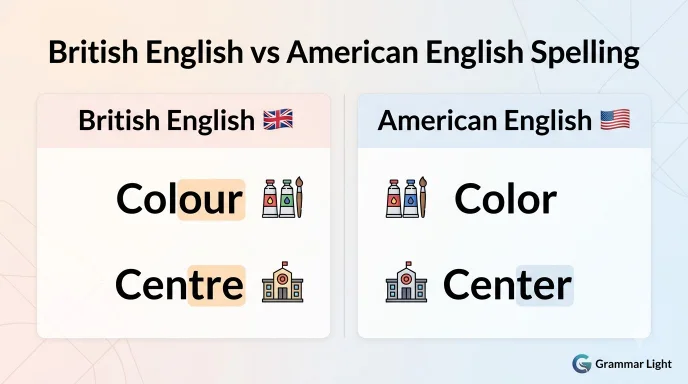
The spelling “fillet” is more common in British English, while “filet” is widely used in American English, especially in culinary contexts.
The regional difference is one of the main reasons people encounter both forms in recipes, menus, food packaging, and online content. Neither spelling should automatically be treated as incorrect simply because it differs from the form you normally see.
British English: Fillet
British English commonly uses fillet for a boneless cut of meat or fish.
Examples:
- a salmon fillet
- chicken fillets
- a beef fillet
- fresh fish fillets
A British recipe might say:
Place the fish fillets in a baking dish.
This spelling is also widely understood outside Britain.
American English: Filet
American English commonly uses filet, particularly in restaurant and culinary language.
Examples:
- beef filet
- fish filet
- several filets
- filet mignon
For example:
The restaurant serves grilled beef filets.
The spelling “filet” can also appear in American writing when discussing fish or other cuts of meat.
Quick Comparison
| British English | American English |
| fillet | filet |
| fillets | filets |
| fish fillet | fish filet |
| beef fillet | beef filet |
The distinction is mainly a regional spelling preference, although particular food names may have their own established conventions.
Is Filets a Correct Word?
Yes, “filets” is a correct plural form of “filet.”
It is not simply a misspelling of “fillets.” “Filet” is an established English noun, and its regular plural is filets.
For example:
The chef prepared four beef filets.
Another example:
Several fish filets were placed on the grill.
If you are writing in American English, “filets” can be a natural choice. In British English, fillets will generally be more familiar.
Is Fillets a Correct Word?
Yes, “fillets” is the correct plural form of “fillet.”
It is especially common in British English and is widely used when talking about fish, chicken, and other cuts of meat.
Examples:
The supermarket sells fresh salmon fillets.
Cook the chicken fillets for several minutes.
The singular and plural forms are:
- One fillet
- Two fillets
Adding an apostrophe is incorrect when simply making the noun plural. Therefore, fillet’s does not mean multiple fillets.
Why Are There Two Spellings?
The two spellings exist because English has adopted and adapted words from other languages over many centuries. Filet comes from French, while fillet developed as an English spelling of the same word.
Regional English then developed different preferences.
American English often retains the shorter filet spelling in culinary contexts, while British English commonly uses fillet.
This is similar to many other spelling differences between British and American English. The presence of two forms does not necessarily indicate a difference in meaning.
Filet Mignon or Fillet Mignon?
“Filet mignon” is the widely recognized spelling of this particular French culinary term.
The expression refers to a tender cut of beef and is commonly written as filet mignon, particularly in American English.
You may occasionally encounter variations in other contexts, but “filet mignon” is the standard form most readers will recognize.
This is an important example of why you should not automatically replace every instance of filet with fillet. Some established culinary expressions traditionally use the French derived spelling.
How to Use Filets and Fillets in Sentences
Both “filets” and “fillets” can be used correctly in sentences, but the spelling should match the noun form and the English variety you are following.
The most important point is to use filet → filets and fillet → fillets consistently. The surrounding sentence should also make it clear that you are talking about a cut or portion of meat or fish.
Examples With Filet
Here are some natural examples:
- The chef prepared two beef filets.
- We ordered grilled fish filets for dinner.
- The restaurant specializes in tender beef filets.
- She placed the filet on the plate.
- The menu includes a premium beef filet.
Examples With Fillet
The same idea can be expressed with fillet:
- The chef prepared two salmon fillets.
- We bought fresh fish fillets from the market.
- Place the chicken fillets in the oven.
- She cooked a cod fillet for dinner.
- The recipe requires four fish fillets.
The meaning remains closely related even though the spelling changes.
Common Mistakes With Filets and Fillets
The most common mistake is assuming that one spelling is always wrong. In reality, both forms are established English words.
Another frequent error is mixing the singular and plural forms.
Singular and Plural Forms
Use these forms correctly:
- One filet → two filets
- One fillet → two fillets
Do not write:
- one filets
- two filet
- one fillets
- two fillet
The same basic plural rule applies to both spellings.
Apostrophe Mistake
An apostrophe is not needed to make either word plural.
Correct:
The chef prepared several filets.
Correct:
The chef prepared several fillets.
Incorrect:
The chef prepared several filet’s.
The apostrophe in filet’s would normally indicate possession, not a simple plural.
Filets or Fillets for Fish?
“Fillets” is a very common choice for fish, particularly in British English, while “filets” can also be used, especially in American English.
For example:
The recipe uses two salmon fillets.
You can also encounter:
The recipe uses two salmon filets.
Both forms can be understood, but the preferred choice depends on the publication’s regional style.
Fish Examples
Common phrases include:
- salmon fillets
- cod fillets
- trout fillets
- fish fillets
In American culinary writing, you may also see:
- salmon filets
- fish filets
- cod filets
Consistency matters more than trying to change every occurrence to one spelling.
Filets or Fillets for Meat?
Both forms can describe meat, although “fillet” and “filet” may be preferred differently depending on the English variety and the particular cut.
For example:
The restaurant serves beef filets.
In British English, you may see:
The restaurant serves beef fillets.
The term can also appear with chicken, pork, or other types of meat when referring to a boneless cut.
Examples
- chicken fillets
- chicken filets
- beef fillets
- beef filets
The surrounding context usually makes the meaning clear.
How to Choose the Right Spelling
Choose “fillet” when following British English conventions and “filet” when following American English conventions or an established culinary expression that uses “filet.”
If your article is written for an international audience, either form can work as long as you use it consistently.
For example, a British focused article might consistently use:
fillet → fillets
An American focused article might consistently use:
filet → filets
This approach keeps the writing clear and avoids unnecessary spelling changes.
FAQs
What is the difference between filet and fillet?
Both refer to a boneless cut of meat or fish. “Fillet” is more common in British English, while “filet” is widely used in American English.
What is the difference between a fillet and a tenderloin?
A fillet is a general term for a boneless cut, while tenderloin refers to a specific muscle that is naturally very tender. A tenderloin can be divided into individual portions.
Is it chicken fillet or filet?
Both are correct. “Chicken fillet” is more common in British English, while “chicken filet” is often used in American English.
What’s the difference between fillet and filet mignon?
A fillet can describe a boneless cut of meat or fish, while filet mignon specifically refers to a tender cut of beef. “Filet mignon” is an established culinary expression.
Is it salmon filet or fillet?
Both forms are used. “Salmon fillet” is especially common in British English, while “salmon filet” can be found in American English.
What does “filet” mean?
“Filet” means a boneless cut or portion of meat or fish. It comes from French and is particularly common in culinary terminology.
Practical Conclusion
“Filets” and “fillets” are both correct forms, so the right choice depends mainly on your audience and writing style. “Fillets” is generally preferred in British English, while “filets” is commonly used in American English and in established culinary expressions such as filet mignon.
For consistent writing, choose the spelling that matches your target variety of English and use it throughout the article. If you are writing for a broad international audience, fillet may be the more familiar general form, especially when discussing fish.
The key point is simple: filet is not a misspelling of fillet, and fillet is not a mistake for filet. Both forms have a legitimate place in English.
CONTINUE READING!

A writer with a strong interest in English grammar, spelling, and word usage. The focus is on researching commonly confused words and explaining the differences in a simple and easy to understand way.








2 thoughts on “Filets or Fillets? The Spelling Mistake Almost Everyone Makes”